Bala Shark
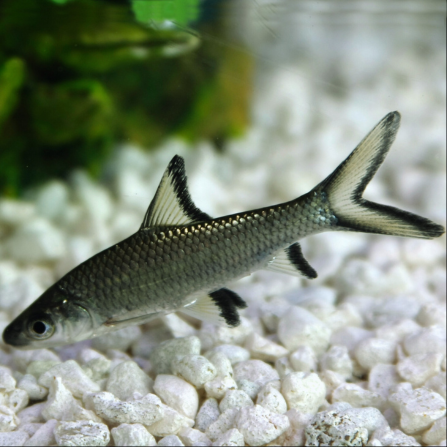
🧬 Origins and Classification Scientific Name: Balantiocheilos melanopterusFamily: Cyprinidae The Bala Shark is a popular freshwater fish known for its sleek body and fast, graceful swimming style. This species originates from rivers and streams in Southeast Asia, particularly Thailand, Malaysia, and Indonesia. In the wild, Bala Shark fish live in open waters and travel in […]
Albino Rainbow Shark
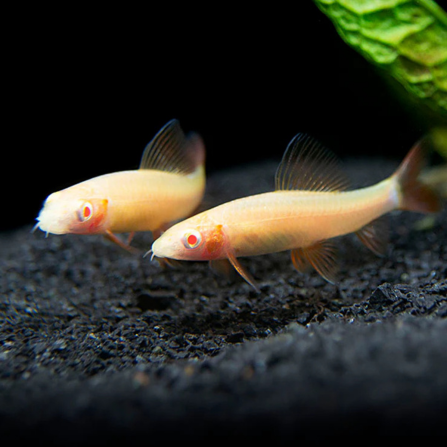
🧬 Origins and Classification Scientific Name: Epalzeorhynchos frenatum (Albino variety)Family: Cyprinidae The Albino Rainbow Shark is a striking freshwater fish admired for its pale body and contrasting red fins. This species originates from river systems in Southeast Asia, where it naturally inhabits flowing waters with rocky and sandy bottoms. Through selective breeding, aquarists developed the […]
Koi Galaxy Betta (Male)
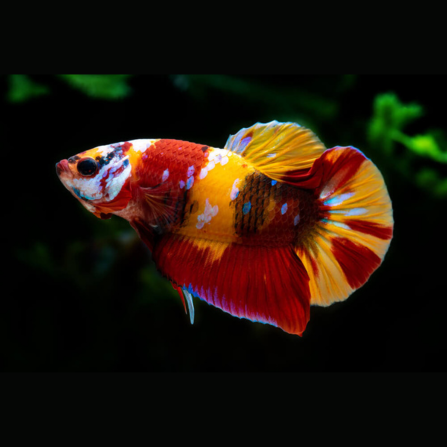
🧬 Origins and Classification Scientific Name: Betta splendens (Koi Galaxy strain)Family: Osphronemidae The Koi Galaxy Betta (Male) is a visually stunning Betta variety known for its marble-like patterns and galaxy-style coloration. This Betta originates from selectively bred strains of Betta splendens, native to Thailand and nearby Southeast Asian regions. Breeders developed the Koi Galaxy Betta […]
Half Beak Platinum
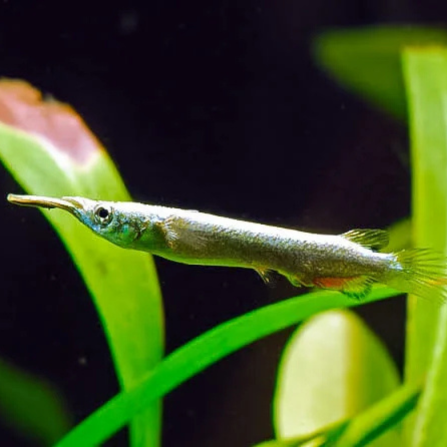
🧬 Origins and Classification Scientific Name: Dermogenys pusilla (Platinum variety)Family: Zenarchopteridae The Half Beak Platinum is a unique freshwater fish known for its elongated lower jaw and elegant swimming style near the water’s surface. This species originates from Southeast Asia, where it inhabits calm rivers, streams, and shallow wetlands. Through selective breeding, aquarists developed the […]
Red Cobra Guppy
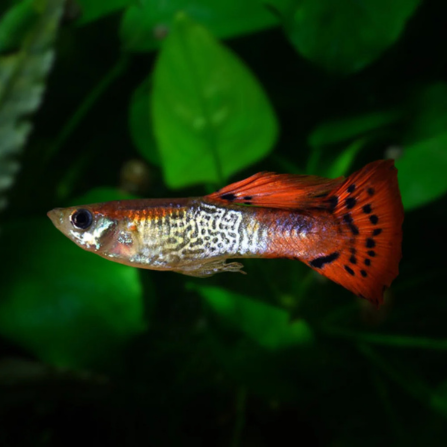
🧬 Origins and Classification Scientific Name: Poecilia reticulata (Red Cobra strain)Family: Poeciliidae The Red Cobra Guppy is a popular freshwater fish admired for its bold patterns and vibrant coloration. This guppy originates from selectively bred strains of wild guppies native to South America, particularly regions such as Venezuela, Trinidad, and Guyana. Over time, breeders developed […]
Clown Loach
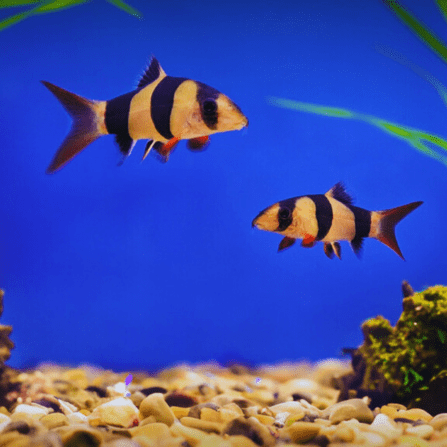
🧬 Origins and Classification Scientific Name: Chromobotia macracanthusFamily: Botiidae Aquarists recognize the Clown Loach as one of the most colorful and interactive freshwater fish available. This species originates from the rivers and floodplains of Indonesia, especially Sumatra and Borneo. In the wild, Clown Loaches live in large groups and spend most of their time exploring […]
Common Guppies
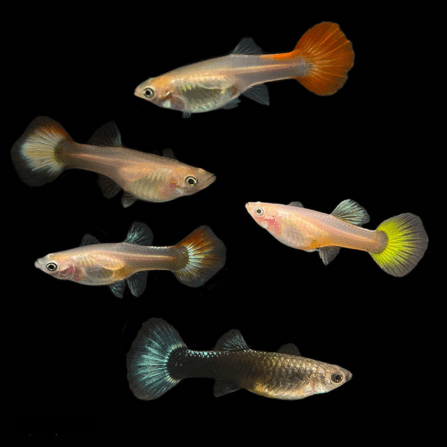
🧬 Origins and Classification Scientific Name: Poecilia reticulataFamily: Poeciliidae Aquarists around the world recognize Common Guppies as one of the most popular freshwater fish. These fish originate from South America, where they naturally live in slow-moving rivers, ponds, and streams. Over time, they adapted to many environments, which makes Common Guppies extremely hardy and beginner-friendly. […]
Cory Catfish
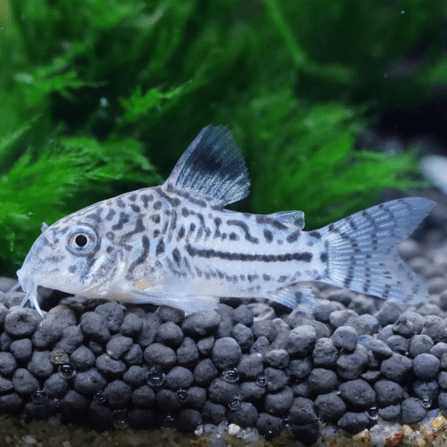
🧬 Origins and Classification Scientific Name: Corydoras speciesFamily: Callichthyidae The Cory Catfish is a peaceful bottom-dwelling freshwater fish native to the rivers and streams of South America. Found in slow-moving waters with sandy bottoms, Cory Catfish have become extremely popular in home aquariums due to their gentle nature, social behavior, and excellent scavenging habits. Because […]
Fantail Oranda / Goldfish
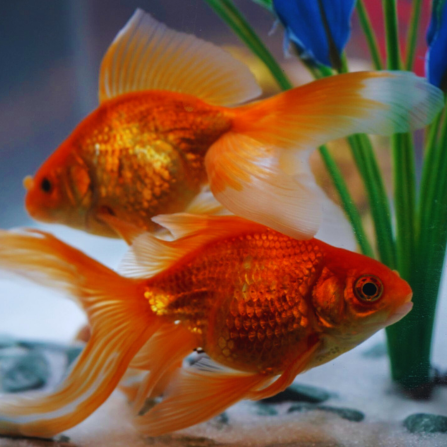
🧬 Origins and Classification Scientific Name: Carassius auratus (Fantail Oranda variety)Family: Cyprinidae The Fantail Oranda / Goldfish is a classic fancy goldfish variety known for its rounded body, flowing double tail, and the characteristic “wen” or head growth typical of Orandas. This fish originated from selective breeding in China and Japan, resulting in a beautiful […]
Feeder Guppy
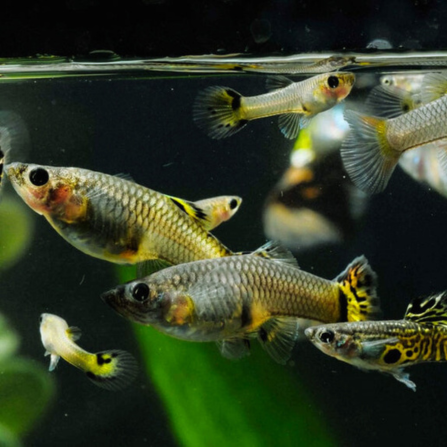
🧬 Origins and Classification Scientific Name: Poecilia reticulataFamily: Poeciliidae The Feeder Guppy is a simple, hardy guppy variety bred primarily for feeding larger predatory fish, but it is also commonly kept as a low-maintenance aquarium fish. Because of its durability, fast reproduction, and easy care, the Feeder Guppy is often used to cycle tanks or […]